
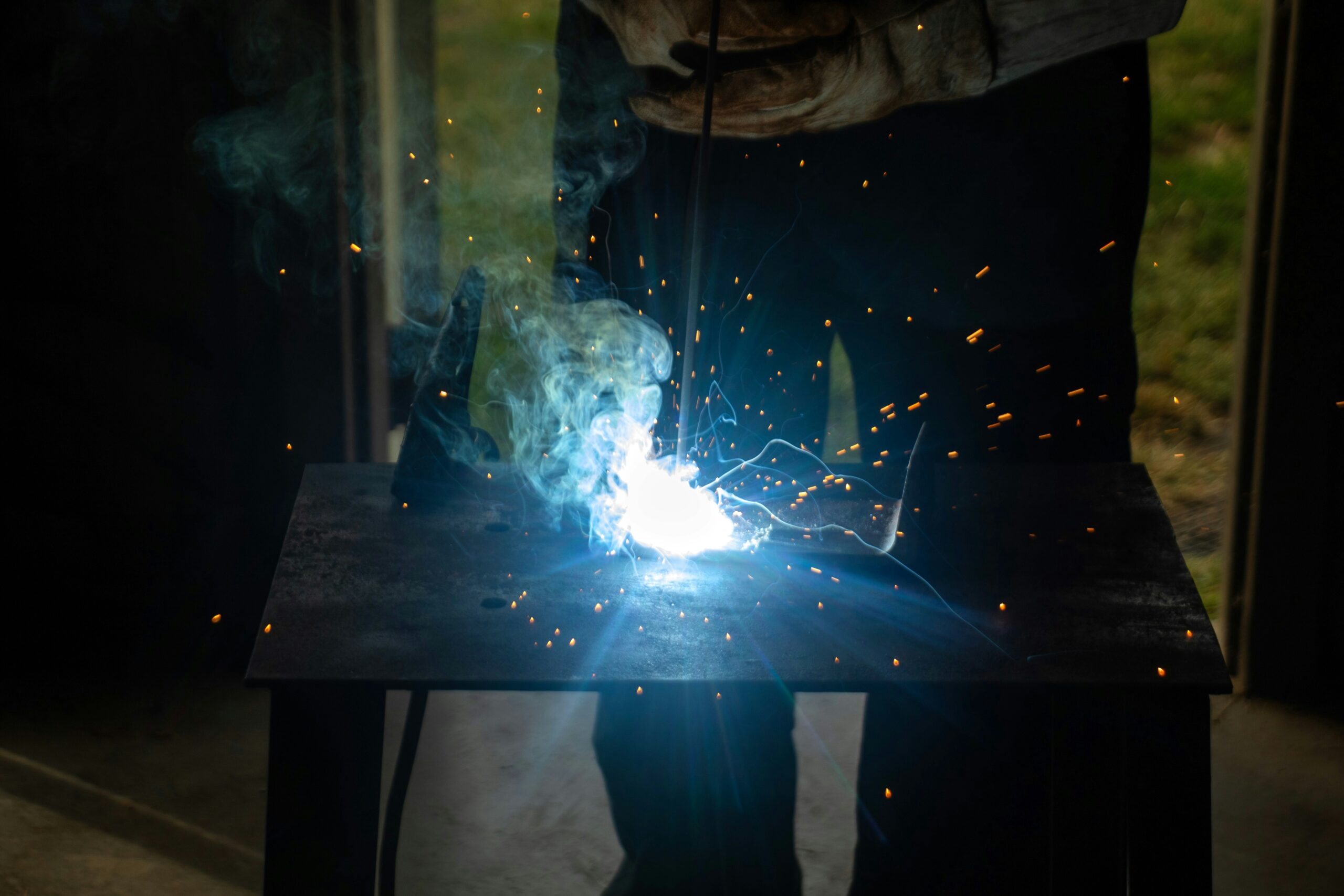
Combined cycle gas turbines operate in some of the most demanding environments in power generation. High temperatures, cyclic loading, aggressive condensate chemistry, and corrosion risks all place significant demands on piping systems and welded components. For these reasons, welding with duplex stainless steels for combined cycle gas turbines has become increasingly common, particularly in heat recovery steam generators, balance of plant piping, cooling water systems, and auxiliary process piping.
Duplex stainless steels offer a combination of strength, corrosion resistance, and durability that aligns well with combined cycle applications. However, these materials also require strict welding control to maintain phase balance, mechanical properties, and corrosion performance. Understanding proper welding practices is critical for reliable performance in combined cycle gas turbine systems.
Why Duplex Stainless Steels Are Used in Combined Cycle Gas Turbines
Duplex stainless steels are characterized by a two-phase microstructure consisting of approximately equal amounts of austenite and ferrite. This balanced structure provides both high strength and strong corrosion resistance compared to traditional austenitic stainless steels.
These properties make duplex stainless steels ideal for combined cycle gas turbine piping because they offer:
- Higher strength allowing thinner wall piping
- Resistance to chloride stress corrosion cracking
- Strong performance in high temperature condensate environments
- Improved resistance to pitting and crevice corrosion
- Long term durability under thermal cycling
Combined cycle plants frequently experience wet dry cycling conditions, particularly in HRSG systems. Duplex materials help prevent cracking and corrosion failures in these environments, especially in cooling water, condensate, and chemical injection systems.
Common Duplex Grades in Combined Cycle Applications
When discussing welding with duplex stainless steels for combined cycle gas turbines, several grades are commonly used:
- Duplex 2205 (UNS S32205)
- Super duplex S32750
- Super duplex S32760
- Lean duplex grades for auxiliary systems
Duplex 2205 is widely used because it provides high resistance to stress corrosion cracking and improved performance in chloride environments compared to conventional stainless steels.
Super duplex grades are typically selected for more aggressive services such as seawater cooling or high chloride condensate exposure.
Welding Challenges with Duplex Stainless Steels
Welding with duplex stainless steels for combined cycle gas turbines requires careful control because the weld thermal cycle directly affects phase balance. The goal is to maintain roughly 50 percent ferrite and 50 percent austenite in the weld and heat affected zone.
If welding parameters are not controlled properly, issues can include:
- Excess ferrite leading to reduced toughness
- Excess austenite reducing strength
- Intermetallic phase formation
- Reduced corrosion resistance
- Cracking in cyclic service
Controlling heat input, interpass temperature, and shielding gas composition is critical to maintaining proper metallurgy.
Heat Input Control
Heat input is one of the most important factors when welding duplex stainless steels. Too low heat input can produce excessive ferrite. Too high heat input can promote intermetallic phase formation and reduce corrosion resistance.
Typical best practices include:
- Moderate heat input
- Controlled travel speed
- Limited interpass temperature
- Avoiding excessive weaving
Proper heat input ensures adequate austenite formation during cooling and maintains weld integrity for combined cycle turbine service.
Interpass Temperature Control
Duplex stainless steels are sensitive to high interpass temperatures. Excessive heat can cause unwanted phase formation and degrade corrosion performance.
Guidelines for duplex welding typically recommend limiting interpass temperatures to approximately 200°C for duplex grades and lower for super duplex materials.
Maintaining low interpass temperatures helps preserve corrosion resistance and mechanical properties required for combined cycle gas turbine systems.
Shielding Gas and Purging Requirements
Shielding gas composition is critical when welding duplex stainless steels for combined cycle gas turbines. Proper shielding prevents oxidation and maintains weld metal chemistry.
Best practices include:
- Argon based shielding gas
- Nitrogen additions for austenite balance
- Low oxygen purging levels
- Proper back purging of root passes
High oxygen levels during welding can reduce corrosion resistance and negatively impact weld quality. Maintaining oxygen levels below recommended limits is important for duplex materials.
For high purity or critical piping in combined cycle plants, purge monitoring is often required.
Welding Processes for Duplex Stainless Steel
Several welding processes are commonly used in combined cycle gas turbine fabrication:
GTAW / TIG Welding
Gas tungsten arc welding is frequently used for root passes and thin wall piping. TIG welding provides excellent control over heat input and bead profile.
Research on super duplex materials notes that gas tungsten arc welding is one of the most commonly used techniques due to its precision and ability to maintain weld quality.
GMAW / MIG Welding
Used for fill passes and production welding where higher deposition rates are needed.
FCAW
Flux cored arc welding is often used for field welding and thicker wall pipe.
SMAW
Stick welding is used for repairs and field modifications.
Each process must be qualified through procedure qualification records for duplex materials.
Filler Metal Selection
Filler metal selection is critical when welding duplex stainless steels for combined cycle gas turbines. Filler metals are typically over alloyed to promote austenite formation and maintain corrosion resistance.
Common filler metals include:
- ER2209 for duplex 2205
- ER2594 for super duplex
- Matching alloy filler metals
Using the correct filler metal helps maintain phase balance and mechanical properties.
Preheat and Post Weld Heat Treatment
Preheat is generally not required for duplex stainless steels. Excessive preheat can negatively affect microstructure.
Post weld heat treatment is also typically avoided. Improper heat treatment can cause intermetallic phase formation and reduce corrosion resistance.
Instead, weld quality is controlled through:
- Heat input control
- Interpass temperature limits
- Proper filler selection
- Shielding gas control
These steps are essential for combined cycle gas turbine reliability.
Inspection Requirements for Combined Cycle Applications
Welding with duplex stainless steels for combined cycle gas turbines often includes strict inspection requirements. These may include:
- Visual inspection
- Liquid penetrant testing
- Radiographic testing
- Ultrasonic testing
- Ferrite measurement
- PMI verification
Standards such as ASTM A790 and related specifications cover duplex stainless steel pipe and welding requirements used in high performance piping systems.
Inspection helps verify weld integrity before installation in turbine systems.
Fabrication Considerations for Combined Cycle Plants
Combined cycle gas turbine projects often involve large diameter piping, tight schedules, and modular fabrication. Duplex stainless steels must be handled carefully during fabrication.
Best practices include:
- Clean fabrication environments
- Dedicated stainless tooling
- Controlled weld sequencing
- Proper fit up tolerances
- Protection from contamination
These steps help maintain corrosion resistance and long term reliability.
Benefits of Duplex Welding in Combined Cycle Gas Turbines
When properly welded, duplex stainless steels offer significant benefits:
- Longer service life
- Reduced corrosion failures
- Improved fatigue resistance
- Higher strength piping
- Lower maintenance costs
- Reduced lifecycle cost
These advantages make welding with duplex stainless steels for combined cycle gas turbines a preferred solution for modern power generation.
AI Energy’s Experience with Duplex Stainless Steel Welding
AI Energy supports combined cycle gas turbine projects with expertise in duplex stainless steel fabrication and welding. From shop fabrication to field installation, AI Energy manages the challenges associated with duplex materials.
Capabilities include:
- Qualified duplex welding procedures
- Experienced welders for duplex and super duplex
- Controlled heat input welding
- Nitrogen purging and monitoring
- Duplex filler metal selection
- Inspection and documentation
This approach allows AI Energy to support combined cycle gas turbine piping systems that demand reliability and corrosion resistance.
Conclusion
Welding with duplex stainless steels for combined cycle gas turbines requires specialized knowledge, strict parameter control, and experienced welders. When done correctly, duplex stainless steels provide exceptional strength, corrosion resistance, and long term reliability in demanding turbine environments.
From HRSG piping to cooling water systems, duplex stainless steel welding plays a critical role in modern combined cycle plant performance. With proper welding procedures, inspection, and fabrication controls, these materials deliver dependable service in high temperature, cyclic, and corrosive operating conditions.
AI Energy’s experience in duplex stainless steel welding helps ensure combined cycle gas turbine projects meet performance requirements while maintaining schedule and quality expectations.