
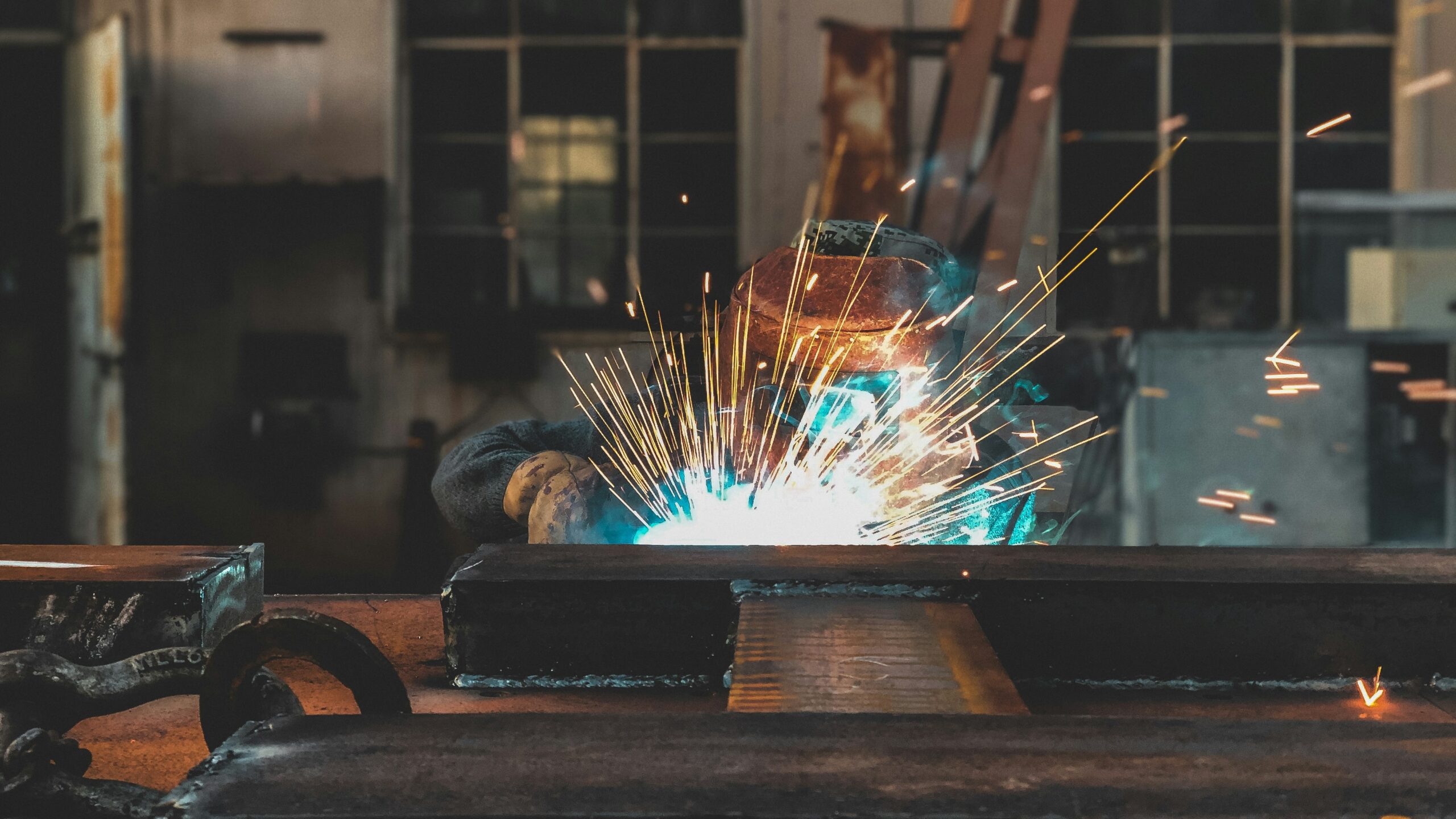
In industrial construction, timelines are rarely flexible. Whether it is a power plant, data center, or petrochemical facility, project schedules are driven by strict deadlines, coordinated trades, and significant financial stakes. One of the most important yet often misunderstood factors in keeping projects on track is high-capacity pipe fabrication.
High-capacity pipe fabrication is not just about producing more pipe spools. It directly impacts how projects are scheduled, executed, and ultimately delivered. When fabrication capacity aligns with project demands, schedules move efficiently. When it does not, delays ripple across the entire project.
This article breaks down what high-capacity pipe fabrication really means and how it influences project schedules from start to finish.
What Is High-Capacity Pipe Fabrication?
High-capacity pipe fabrication refers to a fabrication shop’s ability to produce large volumes of pipe spools within defined timeframes while maintaining quality and compliance. It is a combination of:
- Skilled labor availability
- Equipment capability and utilization
- Workflow efficiency
- Material handling and logistics
- Production planning and sequencing
Capacity planning plays a critical role in this process. It involves balancing labor, equipment, and materials to meet production requirements without bottlenecks. When done correctly, it allows fabrication shops to commit to realistic timelines and deliver consistently.
Unlike standardized manufacturing, pipe fabrication often involves custom components with varying complexity. This makes true capacity not just a number, but a reflection of how well a shop can manage variability and maintain output under pressure.
Why High-Capacity Pipe Fabrication Matters for Schedules
Project schedules in industrial construction are tightly linked to fabrication output. Pipe spools are often required before installation can begin, meaning fabrication sits on the critical path.
When fabrication capacity is high, several schedule benefits emerge:
1. Faster Turnaround Times
2. Reduced Bottlenecks
Capacity planning helps identify constraints before they impact production. By addressing these constraints early, fabrication shops prevent delays that could disrupt the entire project timeline.
3. Reliable Delivery Dates
Accurate capacity forecasting allows shops to commit to realistic deadlines. This improves coordination with other trades and reduces uncertainty in project schedules.
4. Parallel Workflows
High-capacity operations can handle multiple project scopes at once. This is critical for large-scale projects where different systems must be fabricated and delivered simultaneously.
The Relationship Between Fabrication and Construction Sequencing
Construction sequencing depends heavily on when materials are available. Pipe fabrication must align with installation schedules, equipment setting, and system commissioning.
When fabrication capacity is limited, sequencing becomes reactive. Crews may be forced to:
- Wait for delayed materials
- Re-sequence work inefficiently
- Perform additional field welding
- Increase labor costs
On the other hand, high-capacity pipe fabrication supports proactive scheduling. Fabrication shops can deliver spools in the order they are needed, allowing construction teams to maintain workflow continuity.
Early planning and scheduling in pipe spool fabrication have been shown to benefit both project owners and contractors by improving coordination and reducing delays.
How High-Capacity Fabrication Reduces Field Labor
One of the biggest advantages of high-capacity pipe fabrication is its ability to shift work from the field to the shop.
Field work is inherently less efficient due to:
- Weather conditions
- Limited workspace
- Safety constraints
- Coordination challenges
Fabrication shops operate in controlled environments where processes are optimized for efficiency and quality. By increasing fabrication capacity, more work can be completed in the shop, reducing the need for field welding and rework.
This has a direct impact on schedules:
- Faster installation times
- Fewer delays due to site conditions
- Improved safety and productivity
- Reduced overall project duration
The Role of Standardization and Quality in Capacity
High-capacity pipe fabrication is not just about speed. It must also maintain strict quality and compliance standards.
Industrial piping systems are governed by codes such as those from the American Society of Mechanical Engineers, which define requirements for design, materials, fabrication, and inspection.
Standardization plays a key role in maintaining efficiency at scale. For example, pipe schedules define wall thickness and pressure capacity, helping ensure compatibility and safety across systems.
When fabrication shops operate at high capacity without compromising quality, they eliminate one of the biggest risks to project schedules: rework.
Rework can significantly delay projects by requiring additional fabrication, inspection, and installation. High-capacity shops that prioritize quality reduce these risks and keep schedules intact.
Capacity Planning as a Competitive Advantage
High-capacity pipe fabrication is only effective when supported by strong capacity planning. Without it, even large fabrication shops can experience delays and inefficiencies.
Effective capacity planning provides:
- Visibility into production capabilities
- Realistic scheduling commitments
- Better resource allocation
- Improved decision-making
It allows fabrication shops to accept projects with confidence and align production with project timelines. This creates a competitive advantage in industries where schedule reliability is critical.
Projects that rely on accurate fabrication timelines are more likely to stay on budget and avoid costly delays.
Supporting Large-Scale and Fast-Track Projects
Modern industrial projects are becoming larger and more complex. Data centers, power plants, and energy infrastructure projects often require rapid execution and tight coordination.
High-capacity pipe fabrication is essential for supporting these demands.
For Large-Scale Projects
High-capacity shops can produce thousands of spools while maintaining consistent quality. This allows projects to scale without slowing down fabrication.
For Fast-Track Projects
Fast-track construction relies on overlapping design, fabrication, and installation phases. High-capacity fabrication enables this overlap by delivering materials quickly and consistently.
For Multi-Project Environments
Fabrication shops often support multiple projects simultaneously. High capacity allows them to balance workloads without compromising delivery timelines.
The Risks of Low Fabrication Capacity
Understanding high-capacity pipe fabrication becomes even clearer when compared to low-capacity operations.
Limited capacity can lead to:
- Missed delivery deadlines
- Increased field labor requirements
- Higher project costs
- Schedule compression and overtime
- Reduced quality due to rushed work
These issues often compound, creating delays that affect not just one part of the project, but the entire schedule.
In contrast, high-capacity pipe fabrication provides stability and predictability, which are essential for successful project execution.
What High-Capacity Pipe Fabrication Really Means
At its core, high-capacity pipe fabrication is about more than production volume. It represents a fabrication shop’s ability to:
- Deliver large quantities of pipe spools on time
- Maintain consistent quality and compliance
- Support complex project schedules
- Adapt to changing project demands
- Reduce risk across the entire construction process
It is a critical component of modern industrial construction, where timelines are tight and expectations are high.
Conclusion
High-capacity pipe fabrication plays a central role in determining whether a project stays on schedule or falls behind. By increasing production capability, improving planning, and maintaining quality, fabrication shops directly influence the success of industrial projects.
For project owners, EPC contractors, and construction teams, choosing a fabrication partner with true high-capacity capabilities can mean the difference between a smooth execution and costly delays.
As projects continue to grow in scale and complexity, the importance of high-capacity pipe fabrication will only increase. Those who understand and prioritize it will be better positioned to deliver projects on time, on budget, and with confidence.