
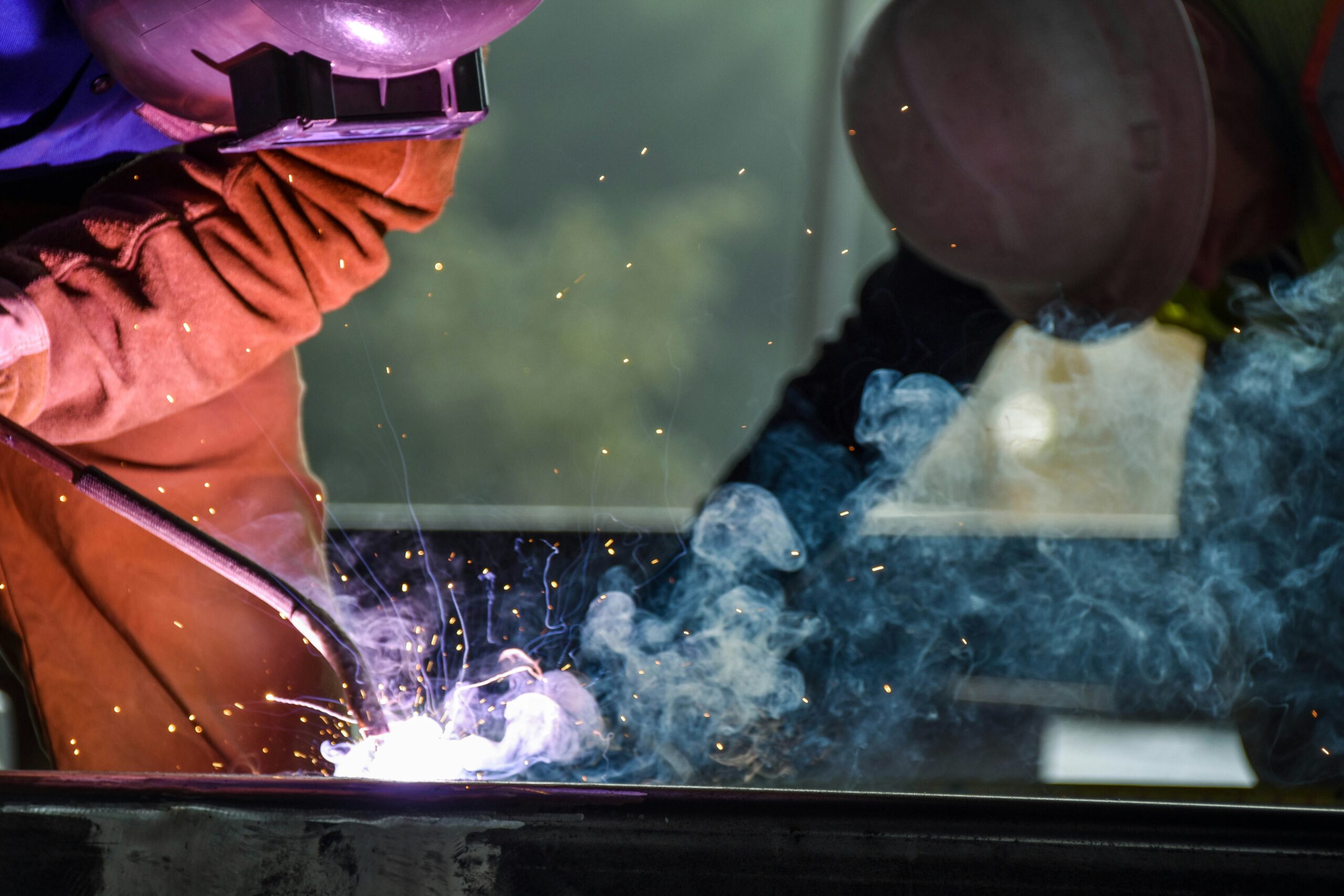
General manufacturing plants run on piping. Whether you are moving water, steam, compressed air, hydraulic fluids, coolants, or product ingredients, your piping system is the backbone that keeps production moving. When piping is designed and fabricated well, it disappears into the background and supports uptime. When it is not, it becomes a constant source of leaks, contamination risk, rework, and shutdowns.
This is where Pipe fabrication for general Manufacturing becomes a strategic advantage. The right fabrication partner helps manufacturing teams standardize quality, shorten outage windows, reduce field labor, and keep documentation clean for audits and maintenance.
AI Energy Solutions supports industrial facilities that need dependable piping packages built to spec, delivered on schedule, and ready to install. Below is a practical guide to what matters most and how to think about your next piping scope.
Why Pipe Fabrication for General Manufacturing Is Different
Manufacturing sites typically evolve over years. Lines get extended. Equipment changes. New processes are added while older utilities remain in place. This creates a mix of operating conditions and expectations:
- Continuous operation with limited shutdown windows
- Tight safety requirements around hot work and energy sources
- High sensitivity to downtime, even for “small” leaks
- A need for repeatable, standardized fabrication across multiple projects
- Documentation requirements that support maintenance, inspections, and audits
Unlike one off construction, manufacturing piping needs to be built with long-term serviceability in mind. That means consistent fit-up, clear weld maps, dependable supports, and testable systems that can be isolated and repaired without disrupting adjacent production.
Common Piping Systems in General Manufacturing
When people hear “process piping,” they often think only about chemical plants. In reality, Pipe fabrication for general Manufacturing covers a broad range of systems, including:
Utility piping
- Compressed air headers and drops
- Steam and condensate return
- Chilled water and cooling loops
- Natural gas and fuel lines
- Nitrogen and inert gas systems
Process piping
- Water and product transfer lines
- Cleaning and CIP loops in hygienic environments
- Chemical feed lines for treatment, coating, or processing
- Slurry, pulp, or abrasive media lines
Support piping
- Instrument air and impulse lines
- Lube oil and hydraulic piping
- Drain, vent, and relief piping tied to equipment packages
Each system has different drivers for material selection, welding process, inspection, and testing. A good fabrication plan treats them differently instead of forcing one approach onto every line.
Codes and Compliance: Start With the Rules of the Road
Many manufacturing piping systems fall under established codes that set expectations for materials, fabrication, inspection, and testing. One of the most widely used is ASME B31.3 Process Piping, which covers requirements for process piping commonly found across industrial facilities and addresses design, materials, fabrication, examination, inspection, and testing.
Even when a system is not formally stamped to a specific code, code-aligned practices still reduce risk. They bring clarity to allowable materials, weld acceptance criteria, inspection methods, and test requirements. For plant owners, this translates into fewer surprises during commissioning and fewer issues during service.
On the safety side, fabrication and field installation must align with safe work practices for welding and cutting. OSHA’s general industry standards for welding, cutting, and brazing (29 CFR 1910 Subpart Q) outline requirements that affect hot work controls, equipment, and safe execution.
Quality Starts Before the First Weld
The biggest fabrication failures usually start upstream, before a single spool is cut. Strong outcomes depend on a disciplined pre-fab process:
1) Clear scope definition and field verification
A frequent cause of rework is mismatched dimensions between drawings and the real plant. Successful shops confirm:
- Tie-in locations and elevations
- Existing pipe sizes and wall thickness
- Support conditions and access constraints
- Equipment nozzle orientation and centerlines
2) Smart isometrics and spool breakdown
Spool drawings should be created with installation reality in mind:
- Spools sized for rigging and access
- Weld locations planned to minimize overhead welding in the field
- Flange orientation standardized to avoid bolt-up issues
- Logical test boundaries to speed commissioning
3) Material control and traceability
General manufacturing plants care about repeatability. Traceability supports:
- Future maintenance and replacement
- Root cause analysis if a failure occurs
- Confidence during audits and turnarounds
Even for utility systems, better traceability often means faster troubleshooting later.
Material Selection That Matches Real Conditions
Common considerations include:
- Temperature cycling that drives fatigue and joint movement
- Corrosive washdown chemicals in food or packaging environments
- Chlorides that can attack certain stainless grades
- Erosion in abrasive or high velocity lines
- Galvanic corrosion risks where dissimilar metals meet
A fabrication partner should help validate that the chosen material matches both the process conditions and the maintenance realities of the plant.
Welding and Inspection: Repeatable Processes Beat Hero Work
Manufacturing facilities do not want to rely on heroics in the field. They want stable quality that can be repeated across projects. That comes from:
- Qualified welding procedures and trained welders
- Controlled fit-up and joint preparation
- Cleanliness practices appropriate to the service
- Inspection planning that matches the risk level of the system
Depending on the system, inspection can include visual examination, dye penetrant, radiography, ultrasonic testing, and pressure testing. When requirements are aligned to recognized standards like ASME B31.3, stakeholders have a shared definition of what “done right” means.
For any work involving welding and cutting activities, OSHA requirements influence how work is planned and executed, including general safety expectations tied to welding operations in general industry environments.
Prefabrication and Modularization: The Uptime Advantage
One of the biggest benefits of Pipe fabrication for general Manufacturing is the ability to move work out of the plant and into a controlled shop environment.
Shop fabrication supports:
- Faster turnarounds and tighter outage windows
- Improved weld quality and consistency
- Less congestion and safety exposure in operating areas
- Better schedule control through parallel workstreams
For some manufacturing clients, the next step is modularization. Skids and packaged assemblies can be built, tested, and delivered ready to set. This is especially valuable for:
- New equipment installs that require multiple utilities
- Process expansions with repeatable layouts
- Retrofits where field space is limited
Documentation That Helps Maintenance, Not Just Construction
A manufacturing plant lives with its piping long after the project team leaves. Documentation should be built for the people who maintain the system:
- Spool maps and weld maps
- Material test reports and traceability records
- Test packages with clear boundaries and results
- As-built updates that reflect field changes
- Turnover binders that are searchable and organized
This reduces future downtime because the plant can isolate issues faster and order the right materials without guesswork.
What to Look for in a Fabrication Partner
If your priority is fewer surprises and smoother installs, look for a team that can demonstrate:
- Code familiarity and consistent procedures
- Strong material control and traceability habits
- Documented inspection and testing workflows
- The ability to prefabricate, stage, and deliver by area or outage plan
- Communication that fits plant realities: safety, access, and schedule constraints
AI Energy Solutions approaches Pipe fabrication for general Manufacturing with the goal of making installation predictable and maintenance easier. That means disciplined planning, controlled fabrication, and deliverables that support the full lifecycle of the piping system.
Final Thoughts
General manufacturing plants succeed when utilities and process systems work quietly in the background. High quality piping is one of the most direct ways to protect uptime, reduce safety exposure, and keep expansion projects on track.
If you are planning a shutdown scope, a process expansion, or repeated piping upgrades across a facility, investing in Pipe fabrication for general Manufacturing pays off through fewer field hours, fewer leaks, cleaner turnover, and faster commissioning. With a fabrication strategy built around sound code practices and safe execution, you can turn piping from a recurring headache into an asset that supports production year after year.