
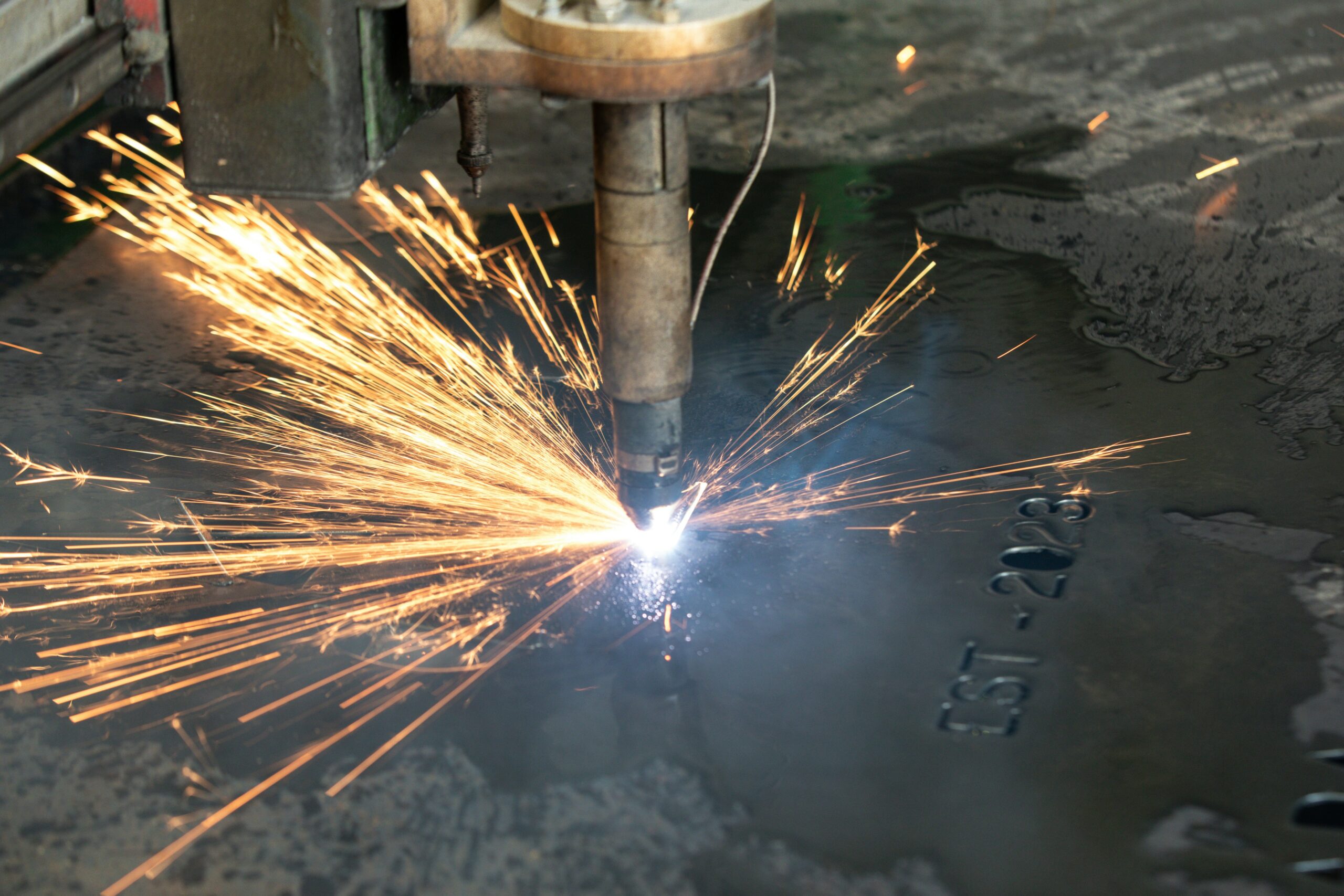
Routine Repair plays a critical role in maintaining the performance, reliability, and longevity of industrial piping systems and fabrication equipment. In industries such as power generation, data centers, chemical processing, and manufacturing, unplanned downtime can disrupt operations, delay schedules, and increase costs. Routine Repair focuses on addressing small issues before they escalate into major failures, helping facilities maintain consistent production and operational efficiency.
For companies relying on high performance piping systems, structural components, and fabrication assemblies, Routine Repair is not simply maintenance. It is a strategic approach to protecting uptime, extending asset life, and maintaining safe operations.
What Is Routine Repair in Industrial Environments
Routine Repair refers to scheduled inspection, adjustment, and correction of equipment or piping systems to prevent failures and performance degradation. These repairs typically address minor wear, corrosion, alignment issues, leaks, vibration, or component fatigue before they impact operations.
Industrial maintenance programs combine inspections, corrective work, and preventive measures to keep machinery and infrastructure functioning efficiently and safely. These activities aim to prevent downtime and extend equipment lifespan while improving operational reliability.
Routine Repair can include:
- Minor weld repairs
- Leak correction
- Flange tightening and gasket replacement
- Valve servicing
- Pipe support adjustments
- Corrosion mitigation
- Instrumentation repair
- Structural reinforcement
- Insulation repair
- Alignment corrections
These repairs are typically performed during scheduled maintenance windows, allowing operations to continue without unexpected shutdowns.
Why Routine Repair Matters for Industrial Piping Systems
Industrial piping systems operate under demanding conditions including pressure, temperature cycles, vibration, and corrosive materials. Without Routine Repair, these stress factors gradually degrade performance and increase the risk of failure.
Neglecting maintenance can lead to costly downtime, safety hazards, and reduced equipment lifespan. Proper upkeep keeps systems operating efficiently and safely while preventing unexpected failures.
Routine Repair helps facilities:
- Prevent system leaks and pressure loss
- Reduce risk of unplanned shutdowns
- Maintain system integrity
- Extend equipment lifespan
- Improve safety performance
- Maintain regulatory compliance
When facilities adopt a proactive Routine Repair strategy, they move away from reactive emergency repairs and toward predictable performance.
Routine Repair vs Reactive Repair
Reactive repair occurs after equipment fails. Routine Repair occurs before failure.
Facilities relying heavily on reactive maintenance experience significantly higher downtime, more defects, and increased operational losses compared to those using proactive strategies.
Routine Repair reduces risk by:
- Identifying early stage damage
- Repairing minor issues before escalation
- Scheduling work during planned downtime
- Minimizing emergency labor costs
- Preventing cascading failures
This approach allows operations teams to maintain production schedules and reduce disruption.
Common Routine Repair Tasks for Industrial Fabrication Systems
Routine Repair programs typically focus on high stress components and critical process systems. For industrial fabrication and piping environments, these include:
Weld and Joint Repairs
Routine inspection often identifies small weld cracks or fatigue areas. Performing minor weld repairs early prevents structural failure and system leaks.
Leak Detection and Correction
Small leaks can quickly escalate into costly downtime and safety risks. Routine Repair identifies leaks during inspection and corrects them before system performance is impacted.
Corrosion Repair
Corrosion is one of the most common causes of piping failure. Routine Repair includes cleaning, coating, and reinforcing affected areas to extend service life.
Routine inspections help detect corrosion and leaks early, avoiding severe damage and costly emergency repairs.
Pipe Support Adjustment
Pipe supports shift over time due to thermal movement and vibration. Routine Repair ensures supports remain aligned and properly loaded.
Valve and Instrument Repair
Routine Repair programs include servicing valves, actuators, and instrumentation to maintain process control and reliability.
Structural Reinforcement
Supports, platforms, and structural steel components often require minor reinforcement or tightening during Routine Repair cycles.
Benefits of Routine Repair for Industrial Operations
Routine Repair provides measurable benefits across safety, reliability, and cost control.
Reduced Downtime
Routine maintenance identifies problems during scheduled downtime, allowing repairs to occur with minimal operational disruption.
This prevents unexpected shutdowns and improves scheduling reliability.
Extended Equipment Life
Routine Repair slows wear and prevents damage from spreading to surrounding components. This extends system lifespan and reduces capital replacement costs.
Improved Safety
Routine inspections and repairs identify hazards before they cause accidents, improving workplace safety and regulatory compliance.
Lower Maintenance Costs
Preventive repairs are significantly less expensive than emergency fixes. Routine Repair reduces labor overtime, rush part orders, and production losses.
Improved Reliability
Equipment maintained on a regular schedule operates more consistently and predictably, reducing variability in production performance.
Routine Repair in Fabrication Driven Projects
Routine Repair is especially important in fabrication driven environments where components must meet tight tolerances and performance requirements.
These environments include:
- Power generation facilities
- Hyperscale data centers
- Chemical processing plants
- Manufacturing facilities
- Industrial utilities
- Oil and gas processing systems
Routine Repair supports fabrication quality by maintaining alignment, pressure integrity, and structural performance.
For example, a minor misalignment in piping can increase stress on welds. Routine Repair corrects this before fatigue develops. Similarly, small corrosion spots can be repaired before wall thickness becomes compromised.
Building a Routine Repair Strategy
An effective Routine Repair program includes structured planning and execution.
Inspection Scheduling
Routine inspections identify wear and potential repair needs. Frequency depends on operating conditions and system criticality.
Repair Prioritization
Routine Repair programs classify repairs based on risk and urgency.
Typical categories include:
- Immediate repair
- Scheduled repair
- Monitor and inspect
- Long term replacement
Documentation
Routine Repair documentation supports compliance, quality control, and performance tracking.
Documentation may include:
- Inspection reports
- Repair logs
- Weld repair documentation
- Thickness readings
- Leak testing records
Continuous Improvement
Routine Repair programs improve over time by analyzing failure trends and adjusting inspection frequency.
Routine Repair and Operational Efficiency
Routine Repair directly improves operational efficiency by minimizing disruptions. Maintenance strategies that integrate preventive and corrective actions improve asset performance and reduce downtime.
Facilities that implement Routine Repair programs typically see:
- Fewer emergency shutdowns
- Improved production consistency
- Better workforce utilization
- Reduced maintenance backlog
- Improved project scheduling
This reliability is especially important for mission critical environments.
Routine Repair vs Preventive Maintenance
Preventive maintenance includes:
- Inspection
- Cleaning
- Testing
- Lubrication
Routine Repair includes:
- Minor corrective work
- Component adjustment
- Weld repair
- Leak correction
- Structural reinforcement
Together these strategies create a comprehensive maintenance program.
Routine Repair for Long Term Asset Performance
Industrial facilities invest heavily in piping, fabrication, and process equipment. Routine Repair protects that investment.
Benefits include:
- Extended asset life
- Reduced capital replacement
- Improved reliability
- Better safety performance
- Lower lifecycle cost
Maintenance is vital for keeping machines operating continuously and reducing production costs associated with equipment failure.
Routine Repair ensures small issues do not grow into major operational challenges.
How AI Energy Solutions Supports Routine Repair
AI Energy Solutions supports Routine Repair programs for industrial piping and fabrication systems by combining fabrication expertise with field experience.
Capabilities may include:
- Weld repair and reinforcement
- Pipe replacement and modification
- Valve and component repair
- Structural repair and support adjustment
- Leak detection and correction
- Corrosion mitigation
- Inspection driven repair execution
- Shutdown support and planning
By supporting Routine Repair, AI Energy Solutions helps clients maintain uptime, improve safety, and extend equipment life.
Conclusion
Routine Repair is a foundational component of reliable industrial operations. By identifying and correcting minor issues early, facilities reduce downtime, improve safety, and extend asset life. Routine Repair transforms maintenance from reactive response to proactive performance management.
Industrial piping systems, fabrication assemblies, and process infrastructure all benefit from structured Routine Repair programs. With consistent inspections, targeted repairs, and documented maintenance, facilities can maintain operational stability and avoid costly disruptions.
AI Energy Solutions supports Routine Repair initiatives with fabrication expertise, field repair capabilities, and reliability focused execution. The result is improved uptime, safer operations, and long term performance for critical industrial systems.