
Large industrial construction projects involve thousands of interconnected components that must arrive at the jobsite in the correct sequence. Among the most critical of these components are industrial piping systems that transport steam, cooling water, fuel, chemicals, and process fluids throughout a facility. Power plants, manufacturing facilities, petrochemical plants, and data centers all rely on extensive piping networks that must be fabricated, inspected, delivered, and installed according to strict timelines.
For this reason, Coordinating Pipe Fabrication with Construction Schedules plays a major role in the success of industrial construction projects. When fabrication timelines align with field construction schedules, projects move efficiently toward commissioning. When coordination breaks down, delays in piping materials can halt installation crews, disrupt sequencing, and create cascading schedule issues across the entire project.
Industrial contractors and fabrication partners like AI Energy Solutions focus on disciplined planning, communication, and fabrication management to support construction teams and keep complex infrastructure projects on track.
Why Coordinating Pipe Fabrication with Construction Schedules Matters
Industrial facilities contain extensive piping systems that connect critical equipment such as boilers, turbines, heat exchangers, pumps, compressors, and cooling systems. These piping networks may contain thousands of welds and hundreds of pipe spools that must be installed in a precise order.
Construction schedules are typically built around the installation of structural steel, equipment placement, electrical infrastructure, and piping systems. If pipe spools are not available when installation crews are ready, the result is idle labor, schedule compression, and costly project disruptions.
According to the Construction Industry Institute, effective coordination between engineering, procurement, and construction activities improves schedule reliability and project outcomes across large industrial projects. Their research highlights the importance of early planning and supply chain coordination for construction success.
When pipe fabrication partners work closely with project teams, they help maintain installation sequencing and reduce the risk of delays that could affect critical construction milestones.
The Role of Pipe Fabrication in Industrial Construction
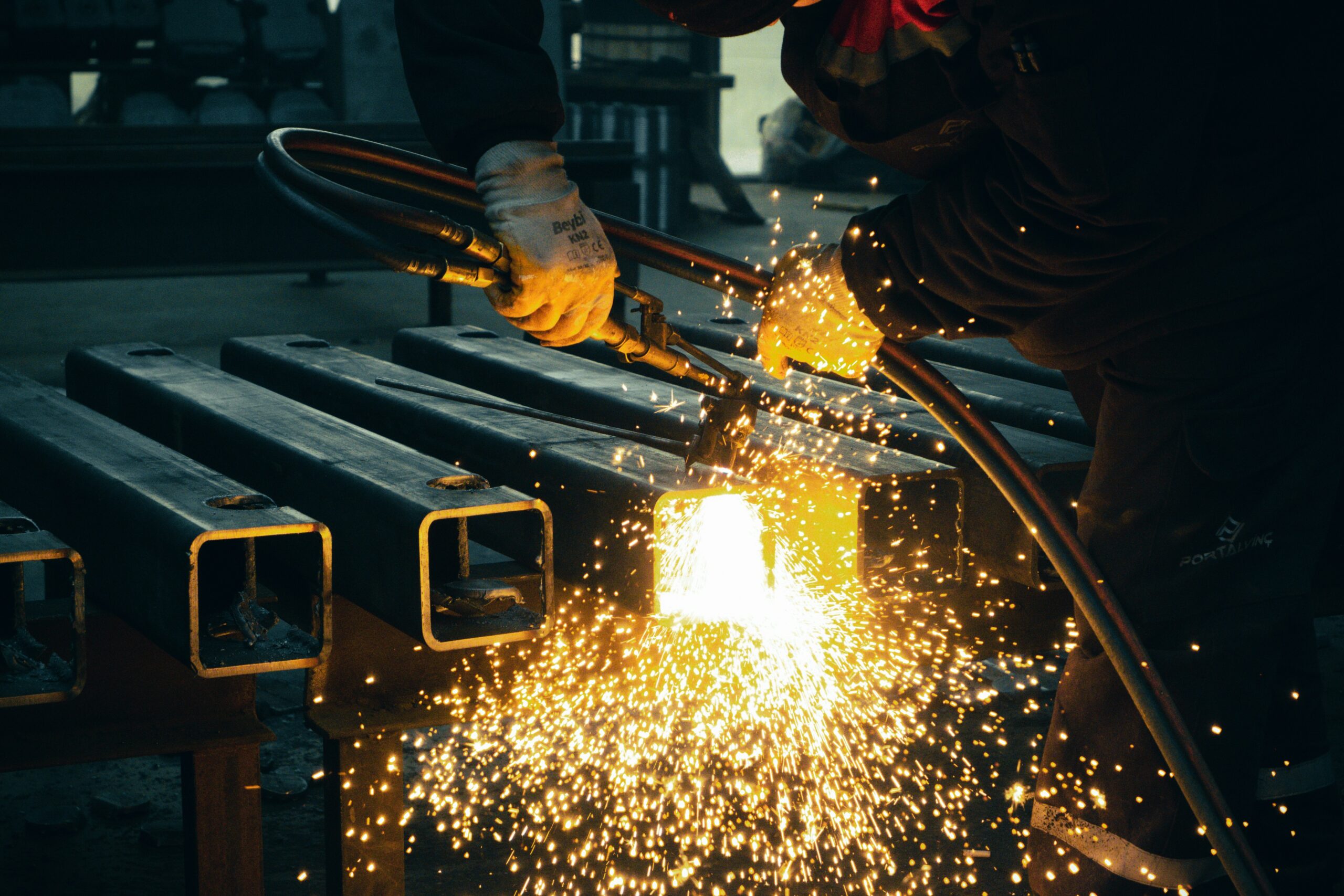
Pipe fabrication typically occurs in specialized fabrication facilities before materials are transported to the project site. Fabricators cut, bevel, weld, inspect, and assemble pipe components into pipe spools that are ready for installation.
This prefabrication process offers several advantages:
- Controlled shop environments for welding and inspection
- Improved weld quality and consistency
- Reduced field labor requirements
- Faster installation at the construction site
However, these benefits only support the project when pipe fabrication aligns closely with construction sequencing. Fabrication must deliver pipe spools in the correct order so that installation teams can move efficiently through each phase of construction.
In power generation projects, for example, piping systems supporting boilers and turbines often represent some of the most complex and schedule sensitive components of the entire facility.
Understanding Construction Sequencing
Coordinating Pipe Fabrication with Construction Schedules requires a clear understanding of construction sequencing. Large industrial facilities are typically built in phases that may include:
- Civil and foundation construction
- Structural steel erection
- Equipment installation
- Mechanical piping installation
- Electrical and instrumentation installation
- Testing and commissioning
Pipe spools must arrive on site in the correct sequence to match these phases. Delivering spools too early can create storage challenges and risk material damage. Delivering them too late can stall installation crews and delay follow-on work.
Successful fabrication partners maintain constant communication with project teams to understand evolving construction schedules and adjust fabrication output accordingly.
Engineering Coordination and Fabrication Planning
Another important aspect of Coordinating Pipe Fabrication with Construction Schedules is alignment with engineering deliverables. Pipe fabrication cannot begin until engineering teams release approved drawings, isometrics, and material specifications.
In large projects, engineering drawings are often released in stages. Fabricators must plan production schedules based on these engineering releases so that materials are fabricated in the correct order.
Coordination between engineering, procurement, and fabrication is commonly referred to as EPC integration. The U.S. Department of Energy notes that successful industrial construction projects depend heavily on coordination between design and construction teams to maintain schedule efficiency.
Fabricators that understand engineering workflows can begin fabrication quickly once drawings are released while still maintaining quality and compliance with project specifications.
Fabrication Capacity and Production Scheduling
Fabrication capacity also plays an important role in coordinating fabrication with construction schedules. Large infrastructure projects often require thousands of pipe spools to be fabricated over relatively short timeframes.
High-capacity fabrication facilities can support these demands by operating multiple welding stations, material preparation areas, and inspection stations simultaneously. This allows fabrication shops to produce large volumes of pipe spools without slowing production or compromising quality.
Production scheduling within fabrication shops must be carefully managed so that high priority materials are fabricated first. Many fabrication facilities implement production tracking systems that monitor the status of each spool throughout the fabrication process.
This visibility helps project managers understand which materials are complete, which are under fabrication, and which are awaiting inspection or shipment.
Logistics and Material Delivery
Once pipe spools are fabricated and inspected, they must be transported to the construction site. Coordinating Pipe Fabrication with Construction Schedules requires careful logistics planning to deliver materials when they are needed.
Industrial projects often stage materials in designated laydown areas where installation crews can access them quickly. Fabricators may ship materials in batches that correspond to specific construction zones or installation phases.
Logistics planning also considers factors such as transportation routes, crane access, and storage limitations at the project site.
Delivering pipe spools in the correct sequence allows construction teams to install materials efficiently without searching through large storage areas for the components they need.
Quality Control and Inspection Coordination
Industrial piping systems must meet strict quality standards and inspection requirements before they can be installed. Weld inspections, nondestructive testing, and documentation review are often required for critical piping systems.
Fabrication shops coordinate these inspection processes so that quality verification does not delay shipment timelines. By integrating inspection activities into fabrication workflows, fabricators maintain both quality and schedule performance.
Inspection documentation is typically delivered alongside fabricated materials so that construction teams can verify compliance before installation begins.
This level of quality coordination is particularly important for high energy piping systems used in power plants and other mission critical facilities.
Supporting Project Teams Through Communication
Communication is one of the most important elements of Coordinating Pipe Fabrication with Construction Schedules. Successful projects maintain regular coordination between fabrication shops, engineering teams, procurement departments, and field construction managers.
Project coordination meetings often review topics such as:
- Engineering drawing releases
- Fabrication progress
- Inspection status
- Material shipments
- Installation schedules
When fabrication partners remain actively involved in these discussions, they can quickly adjust production priorities to support changing construction conditions.
This proactive communication helps prevent schedule conflicts and keeps projects moving forward.
The Role of Experienced Fabrication Partners
Industrial construction projects depend on fabrication partners that understand the complexities of coordinating pipe fabrication with construction schedules. Fabricators must balance engineering releases, production capacity, inspection requirements, and shipping logistics while supporting evolving construction timelines.
Companies like AI Energy Solutions bring extensive experience in power piping fabrication, project coordination, and high volume spool production. By working closely with engineering and construction teams, fabrication partners help maintain schedule reliability and support efficient project execution.
Conclusion
Large industrial construction projects involve complex coordination across engineering, fabrication, and field installation activities. Piping systems represent a major portion of these projects and must be delivered according to strict schedules to support installation sequencing.
Coordinating Pipe Fabrication with Construction Schedules helps project teams maintain productivity, reduce delays, and support efficient commissioning of industrial facilities.
Through careful planning, production scheduling, logistics coordination, and communication with project teams, fabrication partners help construction crews install piping systems efficiently and move projects toward completion.
For industrial infrastructure projects where timing, quality, and reliability matter, strong coordination between fabrication and construction teams remains one of the most important factors for successful project delivery.