
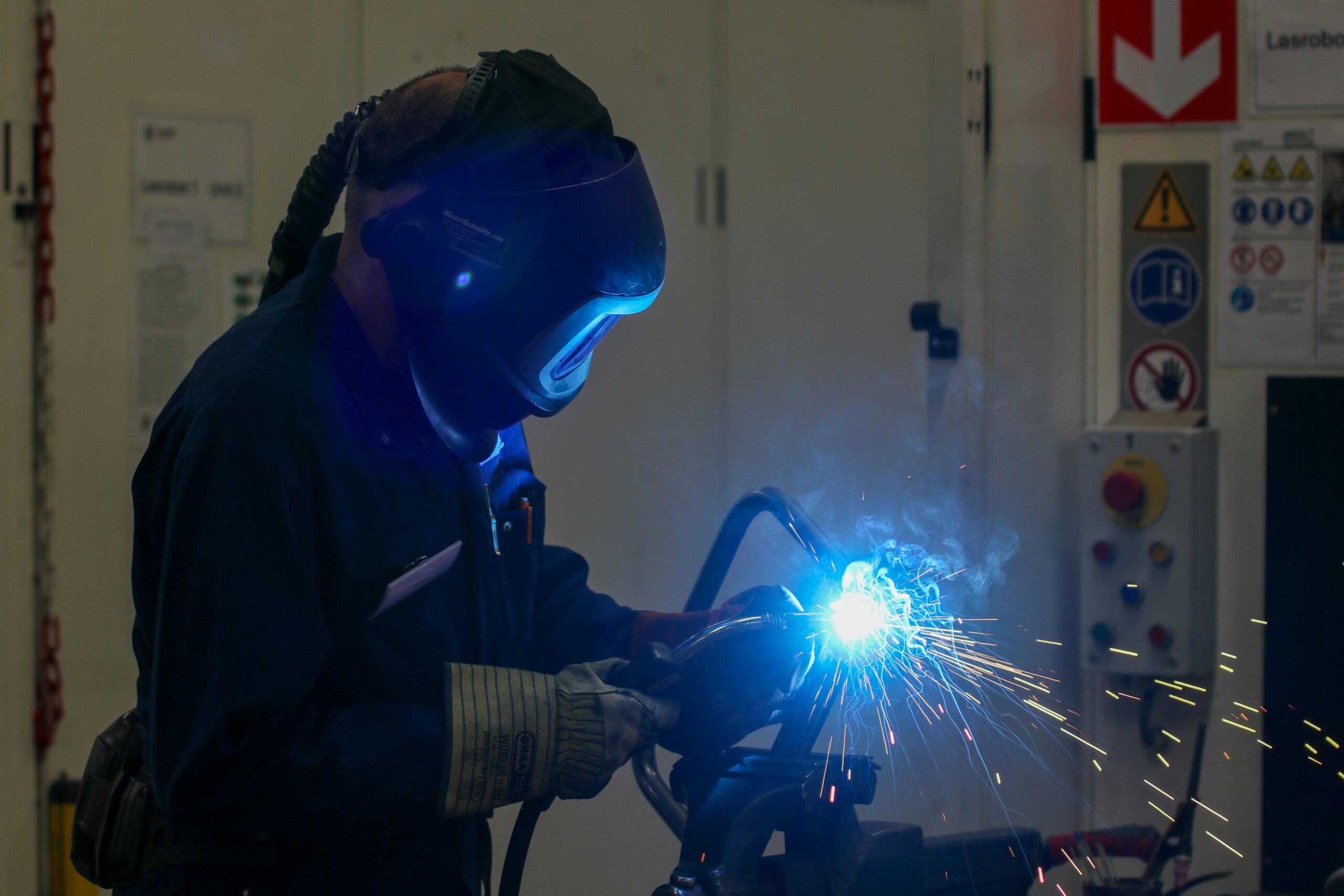
Large industrial and energy projects depend on complex piping systems that support critical operations. Power plants, chemical processing facilities, nuclear sites, and other industrial installations rely on thousands of individual pipe spools that must be fabricated, inspected, and delivered according to strict schedules. When projects fall behind due to fabrication delays, the ripple effects can impact construction timelines, commissioning milestones, and operational readiness.
For this reason, Pipe Fabrication Capacity plays a central role in the success of large scale infrastructure projects. High capacity fabrication facilities provide the resources and production output required to meet demanding project schedules while maintaining quality standards for critical piping systems.
Companies like AI Energy Solutions address these challenges by combining experienced personnel, modern fabrication equipment, and streamlined project coordination to produce thousands of pipe spools each month. This level of capacity allows engineering and construction teams to move forward with confidence that piping materials will arrive on time and ready for installation.
Why Pipe Fabrication Capacity Matters for Large Industrial Projects
Industrial facilities contain extensive piping networks that transport fluids, gases, steam, and chemicals throughout the plant. In power generation environments alone, piping systems support boilers, turbines, cooling systems, fuel delivery, and emissions control equipment.
These piping networks require thousands of welds, fittings, and components that must be fabricated according to engineering specifications. Each pipe spool must be cut, beveled, welded, inspected, and documented before it can be shipped to the job site.
When fabrication capacity is limited, projects may experience several problems:
- Delays in material delivery to the construction site
- Installation crews waiting for piping components
- Increased project costs due to schedule disruptions
- Compressed construction timelines during later phases
High Pipe Fabrication Capacity helps eliminate these risks by providing sufficient throughput to keep pace with construction schedules. Fabrication facilities that can produce large volumes of pipe spools are better equipped to support multi phase construction projects where thousands of piping components must be delivered in sequence.
Supporting Complex Energy Infrastructure
Modern energy projects often involve large scale systems with specialized materials and strict engineering requirements. Facilities such as combined cycle power plants, nuclear generating stations, and chemical processing facilities frequently require piping systems made from high performance materials such as stainless steel, duplex stainless steel, chrome alloys, nickel alloys, and other specialty metals.
These materials must be fabricated according to precise welding procedures and inspection standards. At the same time, project timelines often demand high production volumes to support rapid construction schedules.
High Pipe Fabrication Capacity allows fabricators to handle multiple material types and fabrication processes simultaneously. Dedicated work areas, specialized welding procedures, and skilled personnel allow fabrication teams to produce a wide range of piping systems while maintaining consistent output.
AI Energy Solutions, for example, has the capability to fabricate and pre assemble piping systems across multiple industries, including process, power, and nuclear applications. With the ability to produce more than 6,000 pipe spools per month, the company provides the level of production capacity required to support complex industrial projects.
Prefabrication Improves Construction Efficiency
High fabrication output does more than simply deliver materials faster. It also supports the broader construction strategy used in many modern industrial projects.
Prefabrication of pipe spools allows construction teams to shift complex welding and assembly work from the job site to a controlled fabrication facility. This approach provides several advantages:
- Welding occurs in controlled shop environments
- Quality inspections are easier to perform and document
- Installation crews spend less time performing field welding
- Project schedules become more predictable
By fabricating piping components in advance, fabrication teams can prepare large volumes of material before construction crews arrive at certain phases of the project. This allows installation teams to focus on assembly and alignment rather than time consuming fabrication work in the field.
High PipeFabrication Capacity plays a critical role in this strategy. Large scale prefabrication requires the ability to process thousands of components quickly while maintaining strict quality controls.
Coordinating Fabrication with Project Scheduling
Industrial construction projects follow detailed schedules that coordinate engineering, procurement, fabrication, and installation activities. Fabrication teams must align their production schedules with the broader project timeline so that piping materials arrive exactly when installation crews are ready to use them.
Fabricators with strong production capacity can adjust output levels to match project demands. If a project requires accelerated production during certain phases, a high capacity fabrication facility can increase throughput to maintain schedule alignment.
This level of flexibility is particularly valuable for projects managed under engineering procurement and construction frameworks. EPC contractors rely on fabrication partners who can support evolving project needs without compromising quality or delivery timelines.
The American Society of Mechanical Engineers emphasizes the importance of consistent fabrication practices and qualified welding procedures for pressure piping systems used in industrial facilities. High capacity fabrication operations must maintain these standards while producing large volumes of piping components.
Managing Materials and Procurement
Another advantage of strong Pipe Fabrication Capacity is the ability to manage material procurement and fabrication simultaneously. Large fabrication facilities often coordinate directly with suppliers to secure materials such as carbon steel, stainless steel, duplex alloys, chrome alloys, nickel alloys, aluminum, and other specialty metals required for industrial piping systems.
By aligning procurement with fabrication schedules, fabricators can reduce the risk of material shortages that might otherwise disrupt production.
Efficient material handling also supports high output fabrication environments. Organized inventory systems, material traceability programs, and digital documentation help fabrication teams track materials from procurement through final inspection.
These systems provide transparency for clients and project managers who must verify that materials meet project specifications and regulatory requirements.
Quality Control in High Capacity Fabrication
One concern that sometimes arises with large production volumes is whether quality might suffer as output increases. In reality, modern fabrication facilities address this challenge through structured quality management programs.
High capacity fabrication operations often implement several quality assurance practices:
- Qualified welding procedures for each material type
- Certified welders trained for specialized processes
- Non destructive examination methods such as radiographic or ultrasonic testing
- Material traceability and documentation systems
- Inspection checkpoints throughout fabrication
These practices help maintain consistent quality even when fabrication volumes are high. For industrial piping systems that operate under pressure or high temperatures, these quality measures are critical for long term reliability.
Supporting the Future of Energy Infrastructure
As energy infrastructure expands to meet growing demand, industrial piping systems will continue to play a critical role in supporting power generation, manufacturing, and chemical processing facilities.
Large projects require fabrication partners who can combine engineering expertise, skilled labor, and high production output. Pipe Fabrication Capacity is a key factor that determines whether fabrication operations can keep pace with the scale and complexity of modern industrial construction.
Facilities capable of producing thousands of pipe spools per month provide an important advantage for project developers and EPC contractors. By aligning fabrication output with construction schedules, these fabrication partners help maintain project momentum and support timely project completion.
AI Energy Solutions delivers this level of capability through extensive experience in process, power, and nuclear piping systems fabrication and pre assembly. With advanced material expertise and the ability to produce more than 6,000 pipe spools each month, the company supports large industrial projects that depend on reliable piping infrastructure.
As industrial construction continues to evolve, high Pipe Fabrication Capacity will remain an essential component of successful project execution across the energy sector.