
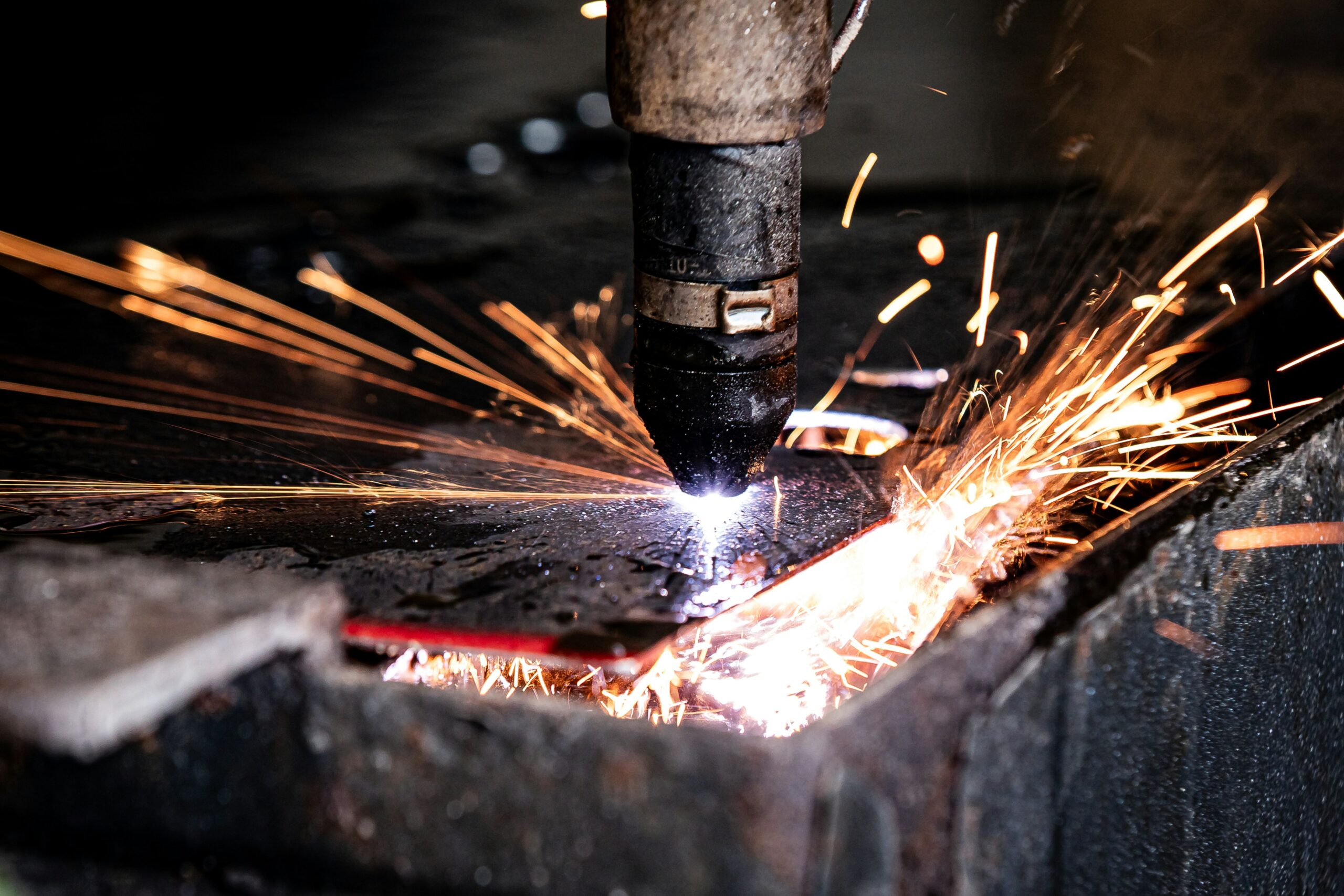
Power plants depend on complex piping systems to transport steam, water, fuel, and process fluids throughout the facility. These piping networks often operate under high pressure and high temperature conditions, which means every weld, joint, and component must meet strict engineering and quality standards. One of the most effective ways to improve the construction and installation of these systems is through pipe spool prefabrication for power plants.
Pipe spool prefabrication shifts a large portion of piping work from the field to a controlled fabrication facility. By building piping assemblies in advance and delivering them ready for installation, project teams can improve quality control, reduce installation time, and maintain tighter project schedules. For power plant developers and EPC contractors, this approach often makes the difference between meeting a critical milestone and facing costly delays.
This article explores how pipe spool prefabrication for power plants works, why it is widely used in the energy sector, and how fabrication specialists contribute to safer and more efficient project execution.
What Is Pipe Spool Prefabrication for Power Plants
Pipe spool prefabrication refers to the process of assembling sections of piping in a fabrication facility before transporting them to a jobsite for installation. Each pipe spool is typically composed of pipe segments, fittings, flanges, valves, and other components that are welded and inspected as a single unit.
For power plants, these prefabricated spools may include:
- High energy steam piping
- Condensate return piping
- Feedwater piping
- Cooling water piping
- Fuel gas piping
- Auxiliary process systems
Instead of cutting, fitting, and welding every connection on site, crews install prefabricated sections that are already prepared according to engineering specifications.
This method is widely used in combined cycle plants, nuclear facilities, industrial cogeneration plants, and other large power generation projects where thousands of feet of piping must be installed with high precision.
Why Pipe Spool Prefabrication Is Critical for Power Plant Projects
Power plant construction schedules are tightly coordinated across many disciplines. Electrical systems, structural steel, mechanical equipment, and piping must all progress in a specific sequence.
Pipe spool prefabrication for power plants helps reduce schedule risk by moving fabrication work away from the jobsite and into a controlled shop environment.
Key advantages include:
Improved Quality Control
Fabrication shops provide a stable environment for welding and inspection. Temperature, cleanliness, and equipment availability can all be controlled in ways that are difficult to replicate in field conditions.
This controlled environment supports consistent weld quality and proper fit up of components. Inspection processes such as radiographic testing, ultrasonic testing, and visual inspection can also be performed more efficiently.
By completing welds in a fabrication facility, teams can follow strict procedures that help maintain compliance with industry standards.
Faster Installation in the Field
One of the most significant benefits of pipe spool prefabrication for power plants is faster field installation.
Instead of welding dozens of small pipe sections on site, crews install large prefabricated assemblies that require only a few final connections.
This approach reduces:
- Field welding hours
- Congestion at the jobsite
- Installation complexity
- Exposure to weather conditions
For large power plant projects, these time savings can translate into major schedule improvements.
Safer Construction Conditions
Field welding often occurs at elevated locations, inside confined spaces, or near other construction activities. These conditions introduce safety risks that can be minimized by performing more work in a controlled fabrication shop.
Prefabrication reduces the number of welding operations performed in hazardous field conditions, helping contractors maintain safer jobsites.
Safety practices and engineering guidelines for industrial piping systems are emphasized by organizations such as the American Society of Mechanical Engineers, which publishes the ASME B31 piping codes used throughout the power generation industry.
By prefabricating pipe spools according to these codes, contractors can improve both safety and compliance.
The Pipe Spool Prefabrication Process
Successful pipe spool prefabrication for power plants requires careful planning and coordination between engineering teams, fabricators, and construction crews.
The process generally follows several key stages.
Engineering and Design
The process begins with detailed engineering drawings that define pipe routing, materials, weld locations, and system specifications.
Engineers determine where spools should be divided to allow for efficient transportation and installation. These spool drawings guide fabrication teams during production.
Precise engineering is essential because prefabricated spools must fit exactly when they arrive at the jobsite.
Material Procurement
Power plant piping often includes specialty alloys such as chrome moly steel, stainless steel, or high strength carbon steel designed to handle high temperature and high pressure service.
Proper material traceability is maintained throughout the fabrication process to verify that all components meet project requirements.
Fabrication and Welding
Once materials arrive at the fabrication facility, technicians cut, bevel, and fit pipe components together according to the spool drawings.
Certified welders perform welds using approved welding procedures. Many projects require specialized welding techniques depending on the pipe material and service conditions.
Quality control inspectors monitor each stage of fabrication to confirm that dimensions, weld quality, and materials meet the project specifications.
Nondestructive Testing and Inspection
After welding is completed, pipe spools often undergo nondestructive testing to confirm weld integrity.
Common testing methods include:
- Radiographic testing
- Ultrasonic testing
- Magnetic particle testing
- Dye penetrant inspection
These inspection methods help identify any defects that could compromise system performance.
By performing testing during fabrication, issues can be corrected before the spool is shipped to the jobsite.
Shipping and Field Installation
Completed spools are carefully packaged and transported to the construction site. Rigging crews unload and position each spool according to the installation plan.
Field crews then align the prefabricated spools and complete final weld connections between assemblies.
Because much of the fabrication work has already been completed, installation progresses much faster than traditional field fabrication methods.
Pipe Spool Prefabrication and Project Scheduling
Large power plant projects involve thousands of piping components and tight construction schedules.
Pipe spool prefabrication for power plants helps maintain project momentum by allowing fabrication work to begin long before installation starts.
Fabrication facilities can produce spools while foundations, structures, and major equipment are still being constructed. Once the site is ready, prefabricated components can be installed quickly.
This parallel workflow significantly reduces overall construction timelines.
Additionally, prefabrication allows contractors to better coordinate with other trades working on the project. Reduced congestion at the jobsite leads to more efficient project execution.
The Role of Experienced Fabricators
Pipe spool prefabrication requires specialized expertise in welding, materials handling, quality assurance, and project coordination.
Experienced fabrication companies provide several key advantages:
- Skilled welders qualified for high energy piping systems
- Advanced fabrication equipment
- Established inspection and testing programs
- Proven project management processes
These capabilities help power plant developers maintain strict quality standards while meeting demanding schedules.
Fabricators also work closely with EPC contractors to coordinate spool deliveries and installation sequencing.
Why Pipe Spool Prefabrication Will Continue to Grow
As power generation projects become larger and more complex, the demand for efficient construction strategies continues to increase.
Pipe spool prefabrication for power plants offers a proven solution for improving quality, safety, and installation speed. By shifting fabrication work into controlled shop environments, contractors gain greater control over production and inspection processes.
This approach reduces risk, improves productivity, and supports the successful delivery of critical energy infrastructure.
Conclusion
Pipe spool prefabrication for power plants has become an essential strategy for delivering large scale power generation projects efficiently and safely. By assembling piping systems in a controlled fabrication environment, project teams can improve weld quality, accelerate installation, and reduce construction risks.
From engineering and material procurement to welding, inspection, and installation, each step of the prefabrication process plays a role in achieving reliable and high performing piping systems.
For power plant developers and EPC contractors, partnering with experienced fabrication specialists helps transform complex piping systems into well coordinated assemblies that arrive ready for installation. As the energy sector continues to expand and modernize, pipe spool prefabrication will remain a critical component of successful power plant construction.