
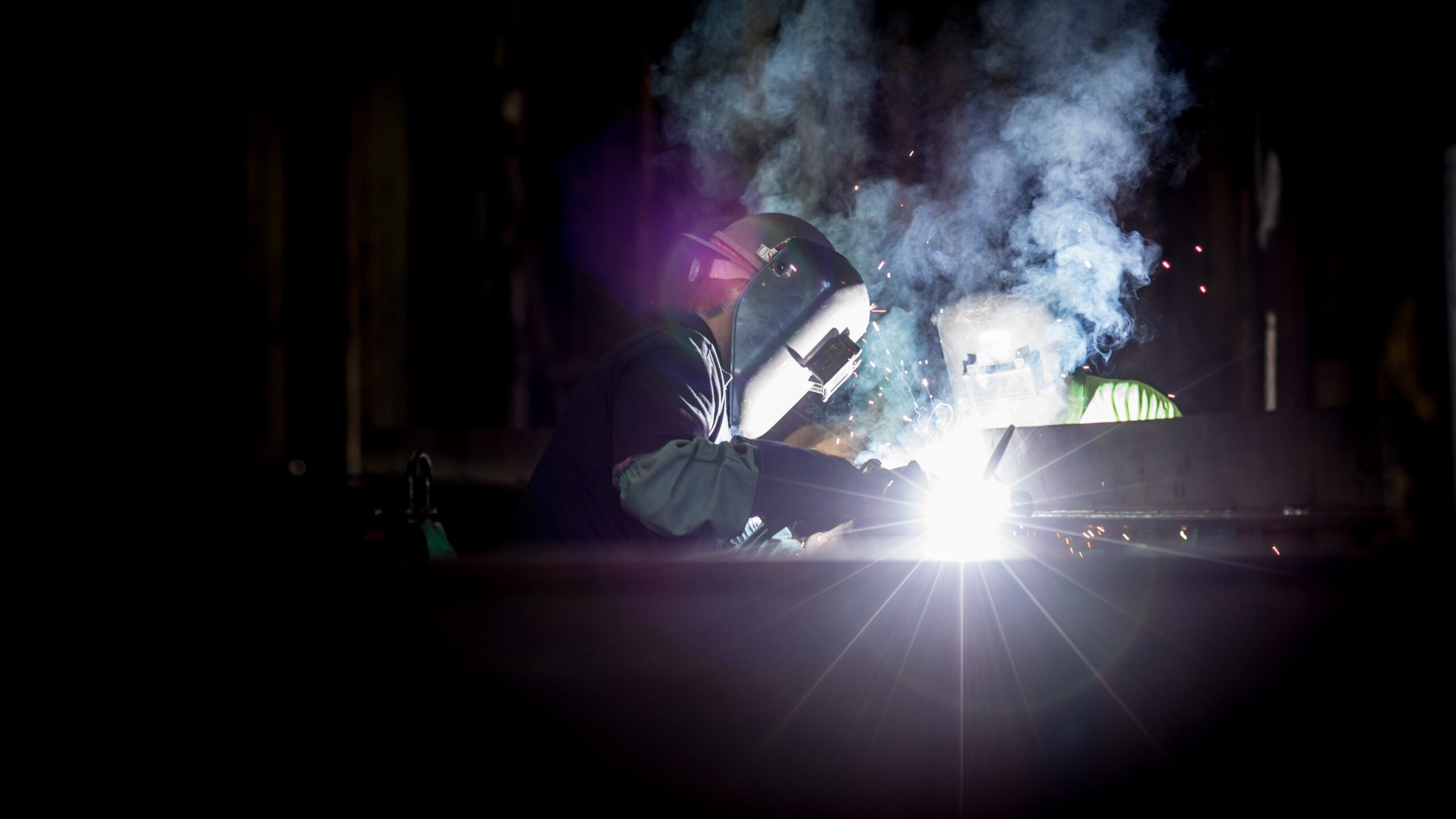
When owners and EPC teams are running more than one power project at the same time, power piping quickly becomes a shared constraint. Engineering hours get split, critical alloys compete for the same mill slots, welding resources get stretched, and field schedules shift because one site is waiting on another. In that environment, power piping for multiple projectfronts is not only a fabrication challenge. It is a coordination challenge that touches planning, procurement, quality, logistics, and field execution.
AI Energy Solutions supports power piping for multiple project fronts by building a repeatable delivery system that scales across projects while staying aligned with code requirements, safety expectations, and documentation needs. The goal is simple: keep each job moving forward with predictable outputs, even when priorities change week to week.
Start with a Portfolio View, not a Project View
The first step in supporting power piping for multiple project fronts is acknowledging reality: you are not managing one schedule, you are managing a portfolio. That means the right kickoff is not a single project meeting. It is a multi-project alignment session that establishes:
- The required piping codes, owner specs, and inspection expectations by site
- Critical path lines and systems on each project
- Shared resources that will become bottlenecks, such as weld procedures, specialty NDE, heat treat capacity, and rigging availability
- Required document packages and turnover format by client
From there, AI Energy Solutions builds a master priority list that can be updated without forcing chaos in the shop. The difference is that priorities change in a controlled way, not through last minute surprises.
Align Engineering Deliverables to the way the Shop Actually Produces
Multiple project fronts fail when engineering outputs arrive in uneven waves. One job might send a huge batch of IFC isos while other trickles revisions for weeks. That creates stop start production and increases rework risk.
A scalable approach to power piping for multiple project fronts uses engineering gates that match how fabrication and preassembly run:
- Release by system or area so the shop can complete spools in buildable chunks
- Issue revision control rules so the team knows when a revision triggers a hold, a rework, or a field adjustment
- Standardize markups and redlines so changes are visible and traceable
AI Energy Solutions emphasizes constructability reviews early, because the easiest weld to fix is the one you do not have to cut out later. When multiple jobs are running, avoiding rework is one of the fastest ways to protect capacity.
Build a Materials Strategy that Prevents One Project from Starving Another
Material availability is often the hidden driver of schedule slips. Long lead fittings, specialty valves, and alloy pipe can derail even a well-planned shop schedule if purchasing is done project by project without coordination.
Supporting power piping for multiple project fronts requires a combined materials plan that answers:
- What items are common across projects and should be bought in bulk
- What items are unique and must be secured early to protect each project’s critical path
- What substitute materials are acceptable under owner specs and code requirements
- What tracking method will provide real time visibility for expediting and allocation
By standardizing material receiving, heat number traceability, and staging, AI Energy Solutions helps reduce the chance that a critical spool sits incomplete because one elbow is missing. That is the kind of delay that multiplies when several projects share the same shop.
Standardize Fabrication, but keep Flexibility for Each Owner Spec
Code compliance is not optional in power work. ASME’s B31.1 power piping standard describes minimum requirements across design, materials, fabrication, examination, testing, inspection, operation, and maintenance for typical power and related heating systems.
When multiple project fronts are active, the best way to stay compliant while moving fast is standardization:
- Qualified WPS and welder continuity programs that apply across similar materials
- Consistent fit up, weld sequence, and hold points
- Document packages that are built the same way every time, even if the client format differs
Standardization reduces training time, shortens handoffs, and makes quality more repeatable. At the same time, AI Energy Solutions keeps project specific requirements visible at every work cell, so a special hold point or unique test requirement does not get missed because the team is working quickly.
Protect Throughput with Smart Scheduling and Capacity Buffering
If you want power piping for multiple project fronts, you need a schedule that can take a hit and keep moving. That means planning around the true constraints:
- Welding and fit up capacity
- NDE availability
- PWHT coordination if required
- Hydrotest space and test media handling
- Crating, shipping, and load out windows
AI Energy Solutions supports multiple project fronts by using capacity buffering, which is a practical way to avoid cascading delays. The shop plan includes intentional slack in the most constrained steps, so one late release does not force every other project to stop.
Make QA and Documentation a Production Line, not an Afterthought
Quality control becomes more difficult when several jobs are competing for the same inspectors and documentation specialists. The solution is to treat QA and turnover like a parallel production flow.
A scalable documentation approach includes:
- Consistent weld mapping and traceability from receiving to final release
- Real time weld logs tied to spools and systems
- NDE planning that matches production sequence
- Turnover packages built continuously, not at the end
When documentation is built as work progresses, owners get faster visibility and field teams receive spools that are ready to install without delays caused by missing paperwork.
Coordinate Field Support so Installation Stays Ahead of Constraints
Fabrication output only matters if installation can keep up. Supporting power piping for multiple project fronts means coordinating with field teams on:
- Lift plans and access constraints
- Prefab opportunities that reduce field welding
- Delivery sequencing so spools arrive in install order
- Site specific constraints like congestion, hot work permits, and outage windows
AI Energy Solutions prioritizes communication loops between shop and field, because the fastest way to lose time is shipping the right spool at the wrong time.
Keep Safety Practices Consistent Across Every Front
With multiple project fronts, safety must stay consistent. Welding and cutting work brings real hazards, and OSHA provides standards and guidance addressing welding, cutting, and brazing across industry and construction environments.
A scalable approach includes:
- Standard hot work planning and job hazard analysis expectations
- Clear PPE, fire watch, and ventilation requirements
- Consistent training for crews moving between sites
- Strong housekeeping and material staging to reduce trip and rigging risk
When teams rotate between projects, consistent safety systems reduce confusion and help keep performance predictable.
The AI Energy Solutions Approach to Power Piping for Multiple Project Fronts
Supporting power piping for multiple project fronts comes down to repeatability and visibility. AI Energy Solutions focuses on a delivery system that is built for change:
- Portfolio level planning that sets priorities and protects shared resources
- Engineering gates that match fabrication reality
- A materials strategy that prevents shortages from derailing production
- Standardized fabrication and QA processes that support code compliance
- Documentation and turnover built continuously, not at the end
- Field coordination that keeps installation aligned with shop output
- Safety systems that remain consistent across every job site
When owners and EPC partners can rely on predictable outputs, they can confidently keep multiple schedules moving forward. That is what power piping for multiple project fronts should look like: disciplined, transparent, and scalable without compromising quality.