
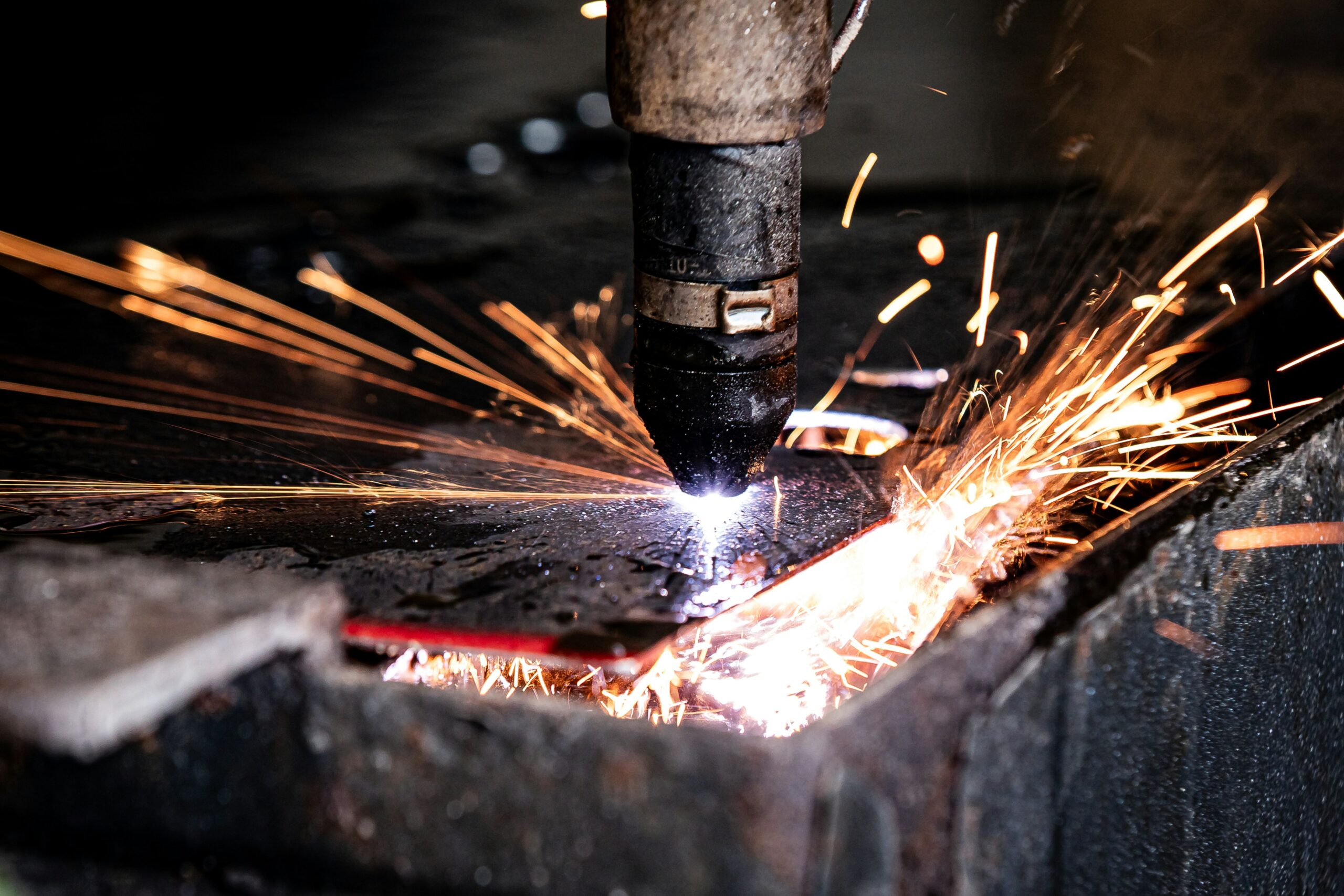
In high energy and power piping systems, commissioning success is determined long before the first startup sequence begins. The most reliable systems are not the result of last-minute inspections or rushed verification. They are the outcome of disciplined pre-commissioning checks that confirm every component, weld, support, and document aligns with design intent and operating requirements.
Pre-commissioning checks form the critical bridge between fabrication, installation, and commissioning. For facilities such as power plants, nuclear projects, and mission-critical industrial systems, this phase reduces risk, protects equipment, and supports long-term operational performance.
This article breaks down what effective pre-commissioning checks involve, why they matter in high energy piping systems, and how disciplined execution prevents costly failures after startup.
What Are Pre-Commissioning Checks
Pre-commissioning checks are systematic verifications performed after construction is complete and before formal commissioning begins. The goal is to confirm that the piping system is mechanically complete, compliant with codes, and ready for controlled energization and operation.
In high energy and power piping systems, pre-commissioning checks typically focus on:
- Mechanical completeness
- Code and specification compliance
- Weld quality and documentation
- Cleanliness and system integrity
- Readiness for pressure testing and operational loading
Unlike commissioning activities, pre-commissioning checks do not involve full system operation. Instead, they validate that all prerequisites are satisfied so commissioning can proceed safely and predictably.
Why Pre-Commissioning Checks Matter in High Energy Piping
High energy piping systems operate under extreme conditions. Elevated temperatures, high pressures, thermal cycling, and dynamic loads amplify even minor construction or fabrication errors.
Without comprehensive pre-commissioning checks, small issues can escalate into:
- Premature material fatigue
- Weld failures during pressure testing
- Misalignment that introduces unplanned stresses
- Vibration damage after startup
- Extended outages due to rework
According to guidance from the U.S. Department of Energy, inadequate verification prior to startup is a common contributor to early equipment failures in power generation facilities. Pre-commissioning checks reduce this risk by identifying issues while correction is still controlled and accessible.
Mechanical Completion Verification
The first layer of pre-commissioning checks focuses on mechanical completion. This confirms that construction activities are fully finished and that the piping system matches approved drawings and specifications.
Key mechanical checks include:
- Verification that all piping spools are installed per isometric drawings
- Confirmation that supports, guides, anchors, and restraints are installed correctly
- Inspection of flange alignment and bolting
- Verification of valve orientation and accessibility
For high energy piping, special attention is given to support spacing and restraint orientation. Incorrect support installation can introduce loads that exceed design assumptions once the system heats up.
Weld Quality and Traceability Review
Weld integrity is central to the performance of high energy piping systems. Pre-commissioning checks require confirmation that all welds are complete, inspected, and documented.
This phase typically includes:
- Review of weld maps and weld numbers
- Confirmation that welder qualifications match procedure requirements
- Verification that all required nondestructive examinations are completed
- Closure of any nonconformance reports
Weld traceability plays a critical role during pre-commissioning. Each weld must be traceable back to qualified procedures, materials, and inspection records. Missing documentation is treated as a readiness failure rather than an administrative issue.
Material Verification and Documentation Review
High energy piping systems rely on precise material selection. Incorrect alloy composition or undocumented material substitutions can lead to long-term degradation under operating conditions.
Pre-commissioning checks confirm:
- Material test reports are complete and reviewed
- Heat numbers match installed components
- Alloy materials align with design specifications
- Material traceability is maintained through installation
Pressure Testing Readiness
Before pressure testing can begin, pre-commissioning confirm that the system is properly prepared and isolated.
Typical checks include:
- Verification that test boundaries are clearly defined
- Confirmation that vents and drains are installed and accessible
- Inspection of temporary supports used for test conditions
- Removal or protection of sensitive instrumentation
For power piping systems, test preparation also accounts for test medium selection, test pressure sequencing, and structural load implications during hydrostatic testing.
Cleanliness and Foreign Material Exclusion
Cleanliness is often underestimated during construction but becomes critical during commissioning. Debris left inside piping systems can damage valves, turbines, and downstream equipment.
Pre-commissioning checks address:
- Flushing plans and execution records
- Confirmation that temporary blinds and covers are removed
- Visual inspections of accessible piping sections
- Verification of cleanliness acceptance criteria
Foreign material exclusion programs are especially important in systems connected to rotating equipment or heat recovery components.
Valve and Component Function Checks
While full operational testing occurs during commissioning, pre-commissioning checks verify basic mechanical readiness of valves and inline components.
This includes:
- Manual cycling of valves where appropriate
- Verification of actuator installation and orientation
- Confirmation of tagging and labeling
- Inspection of valve supports and travel limits
These checks prevent surprises during initial energization when access may be restricted or systems are under load.
Instrumentation and Interface Verification
Pre-commissioning checks also confirm that instrumentation interfaces correctly with the piping system.
Typical verification includes:
- Correct installation locations per drawings
- Proper impulse line routing and support
- Isolation valves installed and accessible
- Protection of instruments during pressure testing
Coordination between piping, instrumentation, and control teams during this phase reduces startup delays and troubleshooting later.
Documentation and Turnover Packages
A complete turnover package is one of the most important outputs of pre-commissioning checks. This documentation becomes the baseline record for commissioning, operation, and future maintenance.
Turnover packages often include:
- As-built drawings
- Weld and inspection records
- Pressure test reports
- Material certifications
- Support and hanger settings
Incomplete documentation can delay commissioning even when physical work is complete.
Pre-Commissioning Checks as a Risk Reduction Strategy
Pre-commissioning checks are not a formality. They are a structured risk management process that protects personnel, equipment, and project schedules.
For high energy and power piping systems, disciplined pre-commissioning checks:
- Reduce startup failures
- Support safe pressure testing
- Improve long-term reliability
- Shorten commissioning timelines
- Provide confidence to owners and operators
Projects that invest time in pre-commissioning checks consistently experience smoother commissioning and fewer post-startup corrections.
Conclusion
High energy and power piping systems demand precision at every stage. Pre-commissioning checks serve as the final verification that fabrication, installation, and quality processes have delivered a system ready for service.
By focusing on mechanical completion, weld quality, material verification, cleanliness, and documentation, pre-commissioning checks transform commissioning from a risk event into a controlled progression. For critical facilities, this discipline supports performance from day one and throughout the life of the system.