
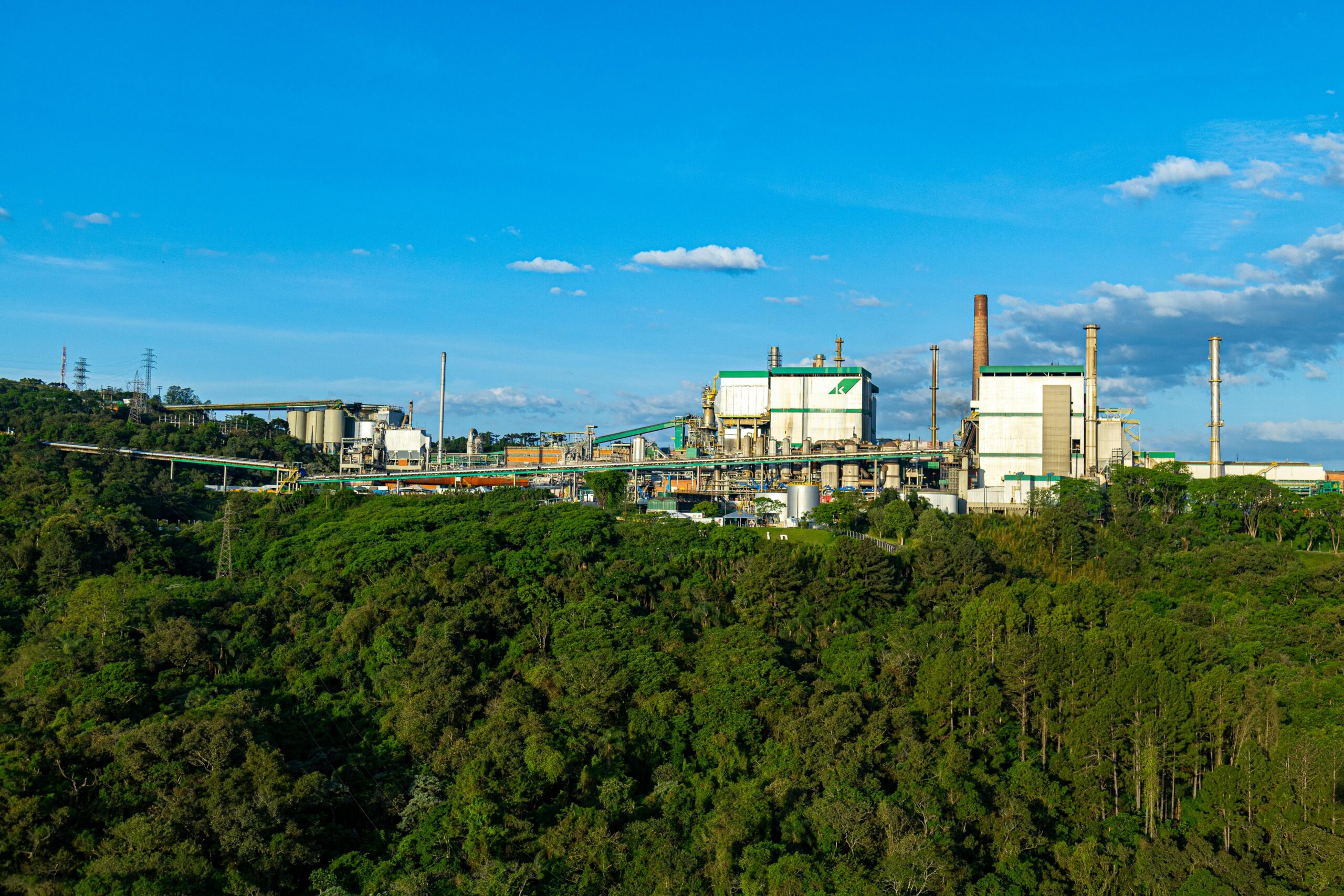
High energy piping systems operate under extreme conditions involving elevated pressure, high temperature, and dynamic operational loads. These systems are commonly found in power generation facilities, nuclear plants, and other mission critical industrial environments where failure is not an option. Because of the consequences associated with defects or degradation, inspection practices must identify issues without compromising the integrity of the piping itself. This is where nondestructive testing methods play a critical role.
Nondestructive testing methods allow engineers, inspectors, and owners to evaluate weld quality, material integrity, and potential damage mechanisms without cutting, sectioning, or otherwise damaging the pipe. For high energy piping systems, these inspection techniques are not optional. They are a fundamental part of fabrication, installation, commissioning, and long term operation.
Why Nondestructive Testing Matters in High Energy Piping
High energy piping systems are subject to conditions that accelerate fatigue, creep, thermal stress, and vibration induced damage. Even minor weld defects or material inconsistencies can grow over time and lead to leaks, forced outages, or catastrophic failures. Because many of these defects are not visible to the naked eye, reliance on nondestructive testing methods is essential.
In addition to safety concerns, regulatory requirements and industry codes mandate inspection and documentation for high energy piping. Codes such as ASME Section I and ASME B31.1 establish inspection criteria that often include multiple nondestructive testing methods applied at different stages of fabrication and installation. Meeting these requirements protects workers, assets, and the long term reliability of the system.
Common Nondestructive Testing Methods Used in High Energy Piping
Several nondestructive testing methods are commonly used in high energy piping applications. Each method serves a specific purpose and is selected based on material type, wall thickness, weld configuration, and expected damage mechanisms.
Radiographic Testing
Radiographic testing, often referred to as RT, uses X rays or gamma rays to examine welds and base material for internal defects. This method is highly effective for identifying porosity, slag inclusions, lack of fusion, and incomplete penetration.
For high energy piping systems, radiographic testing is frequently used on critical welds where internal integrity is essential. RT provides a permanent record of inspection results, which is valuable for quality documentation and long term traceability. However, it requires strict safety controls and access to both sides of the weld in many cases.
Ultrasonic Testing
Ultrasonic testing, or UT, uses high frequency sound waves to detect internal flaws within the pipe wall or weld zone. This method is especially effective for thick wall piping commonly found in high energy applications.
Advanced ultrasonic techniques allow inspectors to detect crack like defects, measure wall thickness, and evaluate weld fusion with a high degree of accuracy. Ultrasonic testing is often preferred in situations where radiography is impractical or where access is limited. It also eliminates radiation exposure concerns while providing real time inspection results.
Magnetic Particle Testing
Magnetic particle testing, known as MT, is used to identify surface and near surface defects in ferromagnetic materials. This method is particularly useful for detecting cracks that may develop during welding or as a result of thermal cycling.
In high energy piping fabrication, magnetic particle testing is often applied after welding and prior to further processing. It is a fast and effective way to identify surface breaking defects that could propagate under operational stress.
Liquid Penetrant Testing
Liquid penetrant testing, or PT, is used to detect surface breaking defects in both ferrous and non ferrous materials. This method involves applying a penetrant liquid that seeps into surface cracks, followed by a developer that highlights indications.
Liquid penetrant testing is commonly used on stainless steels and other alloys used in high temperature piping systems. It is especially valuable for inspecting root passes, final weld surfaces, and machined components where surface quality is critical.
Visual Testing
Visual testing is one of the most basic nondestructive testing methods, but it remains a vital part of high energy piping inspection. Qualified inspectors evaluate weld profile, alignment, fit up, and surface condition before and after welding.
While visual testing alone is not sufficient for high energy systems, it provides the first line of defense against obvious defects and workmanship issues. When combined with other nondestructive testing methods, visual inspection supports overall quality control.
Selecting the Right Nondestructive Testing Methods
No single inspection technique can detect every type of defect. For this reason, high energy piping projects typically rely on a combination of nondestructive testing methods tailored to the specific application.
Factors influencing method selection include pipe diameter, wall thickness, material grade, weld joint design, and service conditions. Experienced fabrication and inspection teams understand how to apply the right methods at the right stages of the project to reduce risk and avoid rework.
Early coordination between engineering, fabrication, and quality teams allows inspection requirements to be built into the project plan rather than treated as an afterthought. This proactive approach improves efficiency while maintaining compliance.
The Role of Nondestructive Testing in Long Term Reliability
Nondestructive testing methods are not limited to fabrication and installation. They also play a critical role throughout the operational life of high energy piping systems. Periodic inspection programs help identify early signs of creep damage, fatigue cracking, and wall thinning before they reach critical levels.
According to the Occupational Safety and Health Administration, regular inspection and testing of pressure systems is essential for preventing workplace incidents and maintaining safe operating conditions. Nondestructive testing supports these objectives by providing reliable data without interrupting operations.
Documentation and Compliance Benefits
In high consequence industries such as power generation and nuclear energy, documentation is just as important as the inspection itself. Nondestructive testing methods provide verifiable records that demonstrate compliance with codes, standards, and owner requirements.
Inspection reports, radiographic films, and ultrasonic data become part of the permanent project record. This documentation supports commissioning, future maintenance planning, and regulatory audits while reinforcing confidence in the system.
Why Experience Matters in Applying Nondestructive Testing Methods
The effectiveness of nondestructive testing methods depends heavily on the skill of the technicians performing the inspections and the expertise of the team interpreting the results. Misapplication or misinterpretation can lead to missed defects or unnecessary repairs.
High energy piping projects benefit from partners who understand not only how to perform inspections, but also why specific methods are required based on service conditions and design intent. This level of understanding supports better decision making and stronger project outcomes.
Conclusion
Nondestructive testing methods are a cornerstone of quality, safety, and reliability in high energy piping systems. From fabrication through long term operation, these inspection techniques allow teams to identify defects, validate workmanship, and protect critical infrastructure without compromising the integrity of the piping.
For high energy applications where performance and safety are paramount, investing in the right nondestructive testing methods and applying them correctly is essential. When combined with experienced fabrication and quality teams, nondestructive testing supports systems that perform as intended under the most demanding conditions.